

“Freedom Colonies”
Black Resilience in the Appalachian Mountains

After the Civil War, thousands of newly freed African Americans chose to build new lives—not on plantations, but in the hills, hollows, and ridges of the Appalachian South. These places came to be known as Freedom Colonies: self-sufficient Black communities that emerged from the ashes of enslavement.
They are part of Appalachian history. They are part of your family story. And too often, they are forgotten.
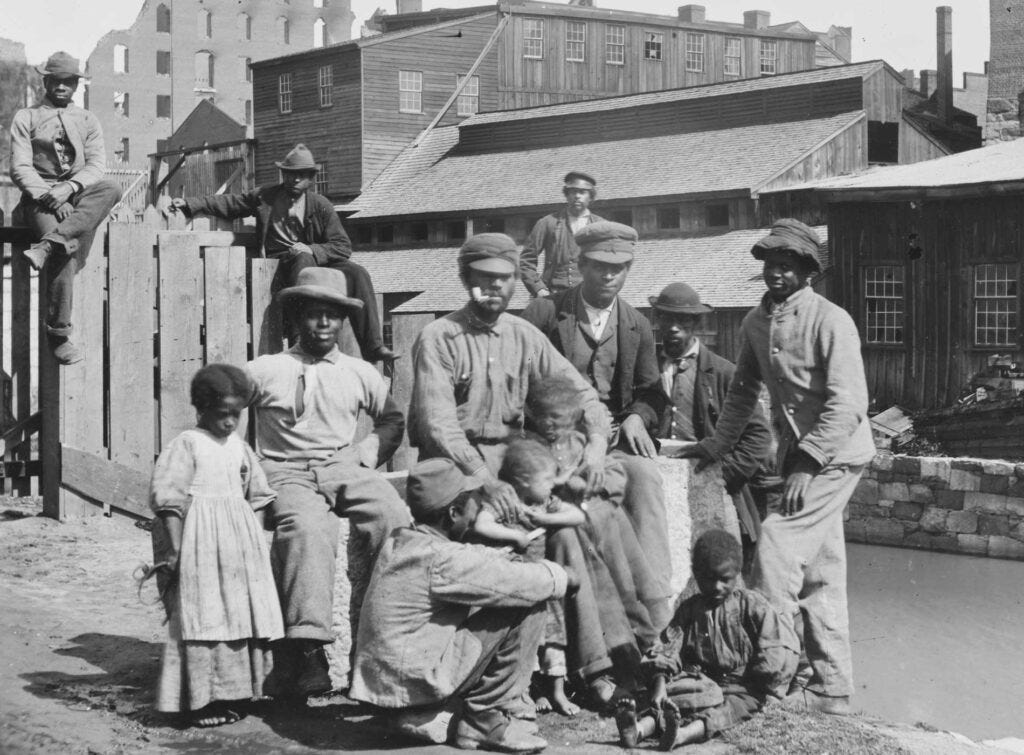
What Were Freedom Colonies?
From the 1860s to the early 1900s, African Americans established rural communities across Kentucky, Tennessee, Virginia, West Virginia, and North Carolina. These weren’t just places to live—they were acts of resistance.
In these colonies, families:
Bought land collectively, often pooling resources to avoid debt peonage
Built churches, schools, and lodges—structures of survival and identity
Farmed, logged, mined, and taught each other the trades they were once denied
Some communities had names like “Africa,” “Little Egypt,” or “Lincoln Ridge”. Others were simply known by the surnames of the families who lived there.
The Genealogy Angle
🧭 Finding these ancestors isn’t easy—but it is possible.
Start here:
1870 & 1880 Federal Census records: Look for clusters of African American households with shared surnames in rural districts.
Land deeds and tax rolls: Freedmen often bought small plots from white landowners or fellow freedmen. These records survive in county courthouses.
Church and cemetery records: Brushy Fork Baptist, Pleasant Ridge AME, and other small Black congregations were often cornerstones of these settlements.
Freedmen’s Bureau archives: Some contracts and labor arrangements give clues about where these communities began.
If a name like Hickman, Buford, Tinsley, or Evans keeps appearing in the same county, dig deeper. You may be looking at a freedom colony.
Forgotten but Not Gone
Many Appalachian freedom colonies faded with time—swallowed by highways, urban sprawl, or forced out by Jim Crow policies. Yet their legacy remains in:
Oral histories passed down at reunions and homecomings
Abandoned cemeteries tucked into woods and hillsides
DNA matches connecting present-day descendants from Appalachia to the Great Migration’s destinations—Detroit, Chicago, Akron
🗣️ These stories are still recoverable, but we have to know how to look for them.
A Family Reclaimed: The Story of Lincoln Heights
Take Lincoln Heights in Campbell County, TN—a Black settlement formed by formerly enslaved men from Virginia. They cleared land, built homes, and sent their children to a one-room school.
Today, the original school bell sits in the hands of a 5th-generation descendant in Ohio. She found the colony through an old Bible, a Freedmen’s Bureau contract, and the 1870 census.
🧬 Her DNA matches led her to two cousins in Kentucky she never knew existed.
Why This Matters
To tell the story of Appalachia fully, we must name its Black builders, honor their resilience, and restore their place on the map.
If your family lived in Appalachia in the late 1800s and you’ve heard whispers of a “Black Ridge” or “colored hollow” nearby, you may be connected to a freedom colony.
And if you’ve never heard of them before, now you have.
👣 Want to trace a freedom colony in your area? I’m compiling a list of known Appalachian Black settlements—drop a comment or email if you have leads, names, or family lore to share.
Appalachian Genealogy is a reader-supported publication. To receive new posts and support my work, consider subscribing. Want to help keep this blog free? Consider donating today.🏔️